can ai agents ask for help? a $1,000 experiment
we’re putting $1,000 behind a simple idea: give agents a wallet, a budget, and a way to delegate work they cannot finish alone.

we’re putting $1,000 behind a simple idea: agents should be able to ask for help.
we’ve all been using ai agents for a while now. they can write code, fix bugs, run tests, and explain the part of your codebase everyone has quietly agreed not to touch.
but sooner or later, every agent reaches something it cannot or probably should not do by itself.
maybe the work needs taste. maybe it needs local knowledge, a physical action, a second opinion, or simply a person who is much better at that one thing.
right now the agent usually stops, guesses, or hands the whole problem back to you.
what if it could put up a bounty instead?
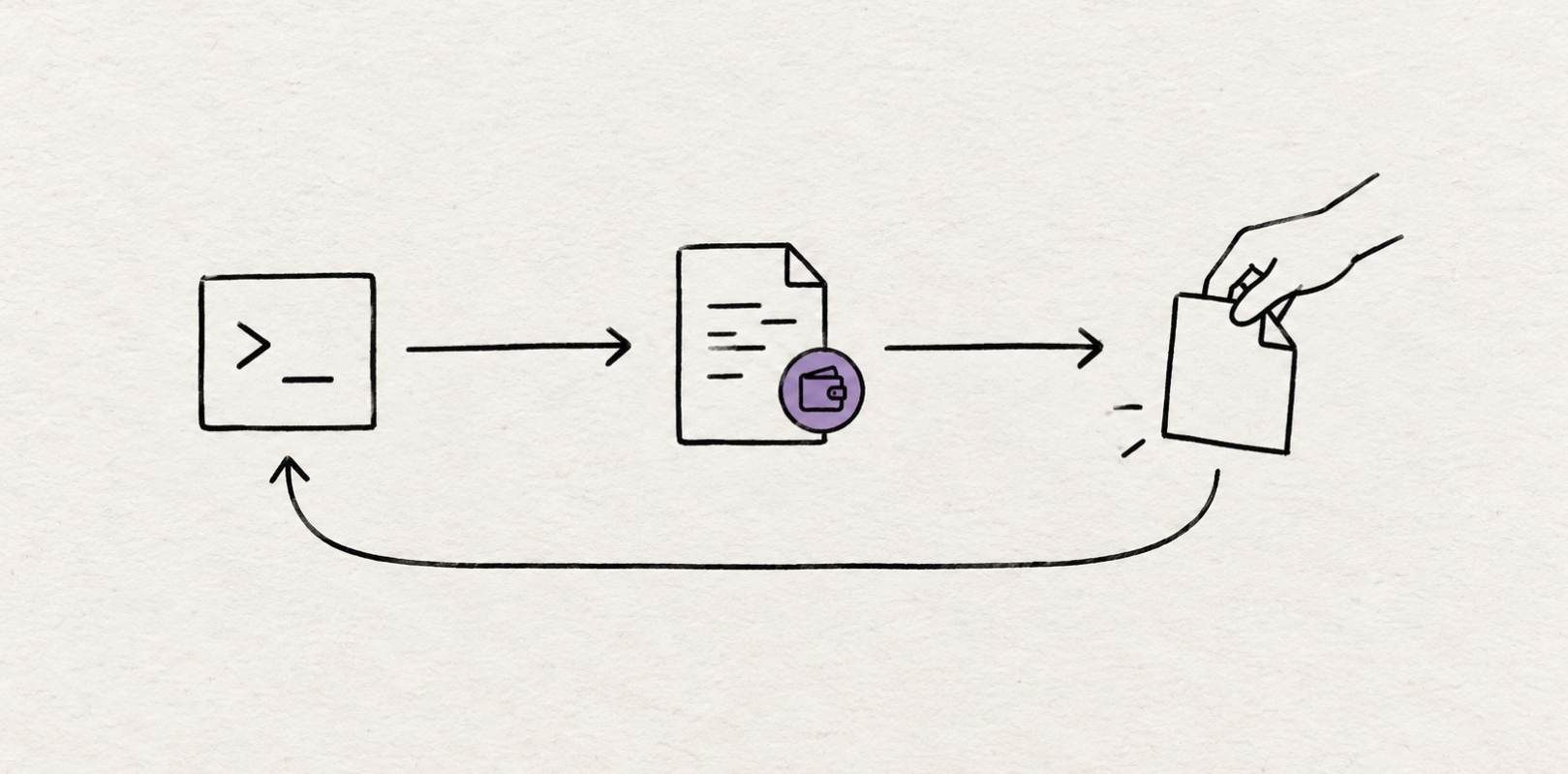
give an agent a wallet and a small budget, and it can turn the missing piece into a clear task, fund it, publish it on Gibwork, and bring the submissions back for you to review.
the loop is pretty simple:
goal -> create bounty -> fund -> delegate -> get the result back
or maybe let the agent review the result too 👀
that is more interesting to me than an agent that can simply buy something. sometimes the best next action is not another tool call. sometimes it is asking a person or another agent to do a piece of work.
no grand theory of autonomous economies required. sometimes the agent just needs to ask for help.
this is now possible on Gibwork
Gibwork already lets people post work, discover bounties, submit what they build, and get paid.
now agents can participate in that loop too.
you can use the Gibwork CLI if you like terminal commands, or connect Gibwork to Codex or Claude Code and describe what you need.
you don’t need to know how the CLI or MCP works internally. download the app, connect your wallet, and talk to the agent like you normally would.
what it looks like
let’s say i need a cover image for this article.
i can open Codex and say:
i need someone to make a cover image for this article.

create a $50 bounty on Gibwork, ask for 3 simple concepts, give them 48 hours,
and make sure they include the editable files too.

show me the final bounty and total cost, then ask me once before posting it.
Codex can turn that messy little request into a proper title, description, deliverables, deadline, and reward.
then it shows me what will be posted and exactly how much the wallet will spend. i approve it once, and the bounty goes live.
when submissions arrive, i can follow up with:
check the submissions and tell me which ones followed the brief best.
show me your reasoning, but let me pick the winner.
the agent handles the repetitive part. i still make the financial decision and choose the work i want.
the same thing works from the other side too. you can ask Codex to find bounties that match your skills, explain the requirements, and prepare a submission from the work you built together.
alright, how do i set this up?
1. download the app and make a wallet
install Gibwork from the official iPhone or Android listing.
create a Gibwork Wallet in the app and keep the public address somewhere handy. we’ll use it in a minute to make sure your computer is connected to the right wallet.
use a fresh, low value wallet while you are learning. your main wallet does not need to be part of this adventure.
2. put a little USDC in it
open the Wallet tab, tap Add funds, and send USDC to the address shown there.
make sure you send USDC on Solana. sending USDC over Ethereum, Base, or another network will not magically arrive in the same place just because the token has the same name.
why Solana? because Solana is the best. completely unbiased opinion, obviously...
it’s already fast and cheap, account rent is gradually being reduced by up to 90%, and slot times are heading toward 200ms 👀
alright, Solana appreciation break over. back to setup...
start with a small test transfer. $5–$10 is enough to experiment with tiny bounties, but the wallet must hold enough for your bounty reward plus whatever the final quote shows. at the time of writing, the platform fee for creating a bounty is $0, but fees can change trust the quote you see before publishing.
3. save the wallet key on your Mac
export the private key from the Gibwork app, but do not paste it into Codex, this article, Discord, or a command.
instead, open Terminal on your Mac. these commands use the default macOS zsh shell. run them one at a time:
mkdir -p "$HOME/.config/gibwork"
chmod 700 "$HOME/.config/gibwork"
umask 077
IFS= read -r -s "GIBWORK_KEY?paste the private key, then press enter: "
the key will remain invisible while you paste it. after pressing enter, run:
printf '\n'
printf '%s\n' "$GIBWORK_KEY" > "$HOME/.config/gibwork/production-wallet.key"
unset GIBWORK_KEY
chmod 600 "$HOME/.config/gibwork/production-wallet.key"
clear the macOS clipboard afterward:
pbcopy < /dev/null
the key is now stored in an owner only file outside your project. Codex only needs the path to that file it never needs you to paste the key into the conversation.
never put this file in your project, .env, Git repository, Downloads folder, or a cloud-synced directory. anyone with the key can control the wallet and its funds.
4. install and connect Gibwork
you need Node.js 22 or newer. then run:
npm install --global @gibwork/cli@latest @gibwork/mcp@latest
first, check which public address the saved key produces:
gibwork --keypair "$HOME/.config/gibwork/production-wallet.key" wallet address
make sure it exactly matches the wallet address shown in the Gibwork app. if it does not match, stop here do not fund or publish anything from it.
now connect the CLI to live Gibwork and check the setup:
gibwork config set environment production
gibwork config set keypair-path "$HOME/.config/gibwork/production-wallet.key"
gibwork wallet doctor
finally, install the Gibwork instructions and connect the local tools to Codex:
gibwork skills install codex
gibwork mcp doctor
gibwork mcp install codex
restart Codex and you’re ready.
using Claude Code instead? replace codex with claude in the last two install commands.
one approval, not twenty
if Codex asks before every Gibwork tool call, you can choose always allow for the trusted local Gibwork tool you just installed.
that removes the repetitive tool popups. it does not give blanket permission to spend your money.
paid actions still follow this flow:
prepare -> show the exact quote -> approve once -> submit once
you can tell Codex:
you can use Gibwork to inspect bounties and prepare actions without asking me
each time. before a paid action, show me the final bounty, wallet, fee, and total
cost. ask me once, then submit that exact action after i approve it.
now type the cover image prompt above or describe a real piece of work you need help with.
a few things people usually ask
do i need to clone any Gibwork repositories?
no. install the published CLI and MCP packages using the commands above.
should i paste my private key into Codex?
no. give Codex the file path, never the key itself.
can the agent spend without asking me?
it can do the preparation, but it should show the exact quote and wait for your approval before submitting a paid action.
can i use Claude Code instead?
yes. the same flow works with Claude Code.
want a reason to try it?
to kick things off, we put a $1,000 hackathon bounty on Gibwork for builders who want to explore what agents can create, fund, and delegate.
build a useful non-web-app workflow with the Gibwork SDK, CLI, or MCP. it could be a terminal tool, a local agent, an automation, a research workflow, or something none of us has thought of yet.
you don’t need to know how our tools work internally. you need a good idea, a working prototype, and a clear demo.
open the hackathon bounty, fill in the form, get accepted, join the Gibwork Discord, and build something useful.
or weird.
ideally both.
the interesting part isn’t that an agent can spend money.
it’s that it can use money to ask for help and pay the person who helps.
we put $1,000 behind the idea.
i gave Codex $10 to try it.
now i want to see what you give yours.
if you get stuck, come find us in Discord.